
English Information
The Italian Society of Toxicology (SITOX) is a non-profit scientific association representing around 500 members working at University, Industry, Authority, government Agency and public and private Hospital. The goals of SITOX are:
- To promote the toxicological sciences in Italy and abroad
- To promote training and updating of toxicologists
- To share the use of scientific and cultural toxicological skills with the public and private health Istitutions
- To improve the reliability and credit of toxicologists’ opinion in the society
- To develop partnership with other scientific organizations and public authorities
- To organize and manage national and international conferences, meetings, educational campaign, workshops
- To publish and disseminate periodic journals and publications
- To recognize and supervise, through the RENTIC, certificated toxicologists as expert working in the multidisciplinary toxicological field
- To preserve the ethical, professional, cultural and legal aspects of members.
SITOX is a member of the International Union of Toxicology (IUTOX) and of the Federation of European Toxicologists & European Societies of Toxicology (EUROTOX). It promotes the development of toxicological science in training, research and applied (clinical and regulatory) field.
SITOX is involved in the following main topics: risk assessment for human health associated with exposure to chemicals; food, feed, nutraceuticals and consumer products safety, environmental contaminations, the REACH Regulation, toxicogenetics and pharmacogenetics, endocrine disruptors, safety of pharmaceuticals and advanced therapies and biological products, diagnosis and treatment of acute and chronic intoxications, drug addiction and syndrome surveillance systems implementations, toxicological emergencies.
The Italian Society of Toxicology is the third Society in Europe for activities and members.
SITOX has established some working tables (to which stakeholders are invited to participate) and scientific groups in order to produce advices and documents about the safety and the correct and sustainable use of chemicals.
SITOX Working Tables on safety
- Drugs
- Pesticides
- Cosmetics
- Botanicals
- Food
SITOX Scientific Groups
- Clinical and analytical toxicology
- Xenobiotics biotransformation
- Natural toxins
SITOX Organizing Secretariat
Ida Ceserani - Ida.Ceserani@sitox.org
M. Elena Scamoni - Elena.Scamoni@sitox.org
Muriel Bertomoro - Muriel.Bertomoro@sitox.org
Italian Society of Toxicology
Via Giovanni Pascoli, 3
20129 MILANO
t: 02 29520311
P.IVA: 06792491000
C.F.: 96330980580
Press Office Contacts
Marco Pivato, MPharm
t: 349 5297270
m: sitox@dnamedialab.it
Guido Mannaioni ha conseguito la laurea in Medicina e Chirurgia nel 1991, la specializzazione in Farmacologia nel 1997 e il dottorato di ricerca in Farmacologia e Tossicologia nel 2001 presso l’Università degli Studi di Firenze. Ha ricoperto il ruolo di postdoctoral fellow e quindi di Instructor in Pharmacology presso il Dipartimento di Farmacologia della Emory University School of Medicine (U.S.A.) dal 1999 al 2004. Dal 2015 è Direttore della Scuola di Specializzazione in Farmacologia e Tossicologia Clinica dell’Università degli Studi di Firenze e dal 2018 è Professore Ordinario di Farmacologia presso l'Università degli Studi di Firenze e Direttore della Struttura Ospedaliera di Tossicologia Medica e Centro Antiveleni presso l’Azienda Ospedaliero Universitaria Careggi a Firenze.
.
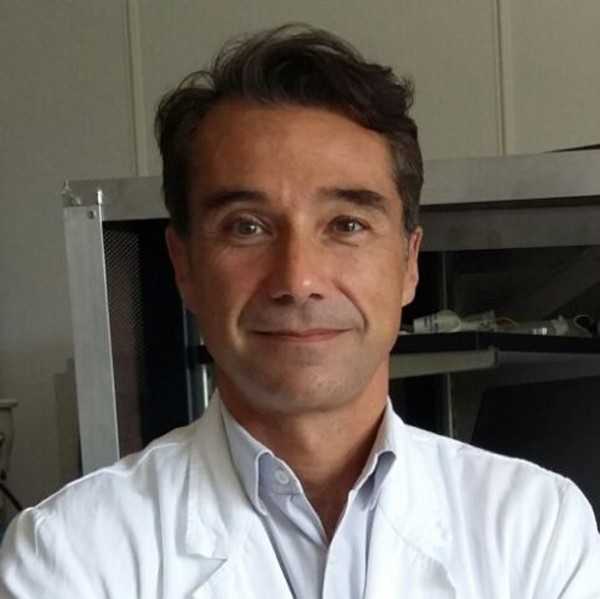
Degree: University of Pisa- Laurea summa cum laude in Biological Sciences (bichemical branch)
WORK EXPERIENCE
1979-1981 ungraduated student at Istituto di Mutagenesi e differenziamento CNR- Pisa
1982-1984 Researcher fellow at Istituto Superiore di Sanità (ISS) Roma
1985-today ISS as part of the permanent staff
Type of business or Sector : Research and regulatory activities in the field of Toxicokinetics, Toxicology and Human Health Risk Assessment associated to exposure to natural and synthetic environmental pollutants.
Occupation or position held: Retired in pension
Previous position : researcher (1994-2007); young researcher (1985-1994); research fellow (1982-1985) - Responsible for the Biochemical Toxicology Unit (Toxicology and Ecotoxicology Lab) (2001-2004); Senior executive scientist (since 2007) and Head of the Mechanism of Toxicity Unit Department for Environment and Primary Prevention (since 2009).

Associate Professor at the University of Naples Federico II. His research focuses on the molecular and cellular mechanisms regulating gut–brain communication, with particular emphasis on the role of the microbiota and its metabolites in modulating the nervous system’s response to environmental and inflammatory factors. His studies have contributed to understanding the functions of endogenous lipid mediators, including endocannabinoids and N-acylethanolamides, involved in neuroinflammation, neuroprotection, and the regulation of nociceptive transmission. Subsequently, his research focused on metabolites derived from the gut microbiota, identifying butyrate as an important regulator of synaptic plasticity, neuronal function, and neuroimmune responses. He currently coordinates the COMPAGINE research group within the Department of Pharmacy at the University of Naples Federico II. Through a multidisciplinary approach integrating neuropharmacology, behavioral neuroscience, molecular biology, and microbiome analysis, his work aims to clarify the role of altered gut–brain communication and neuroinflammatory processes in the onset of neurological and neurodevelopmental disorders, identifying new therapeutic targets of pharmacological and toxicological interest. Author of more than 100 scientific publications, he is a member of numerous national and international scientific committees.
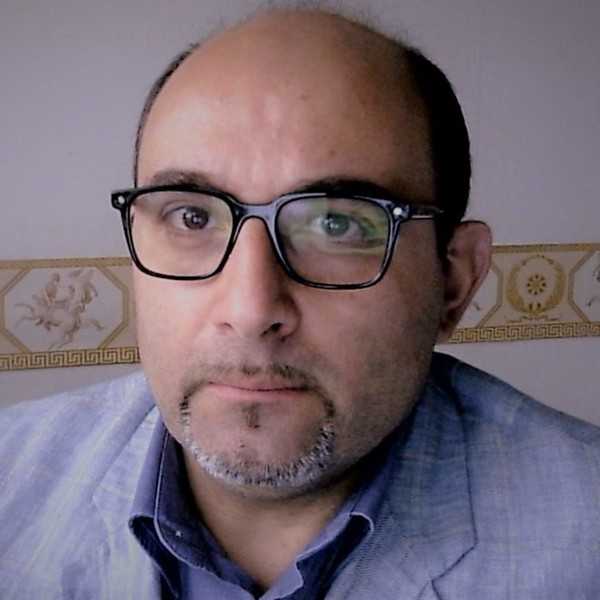
Professore Ordinario di Farmacologia, attualmente il Prof Cantoni è direttore del Dipartimento di Scienze Biomolecolari dell’Università degli Studi di Urbino “Carlo Bo”. Dal 2016 ad oggi ricopre la carica di Prorettore alla Ricerca. Dal 2018 è Presidente Eletto della Società Italiana di Tossicologia. Il Prof. Cantoni ha ricevuto diversi premi, tra cui quelli dell'"Associazione Italiana per la Lotta contro i Tumori" (1985), della "Fondazione Assicurazioni Generali" (1986), "Menzione di merito" della Commissione giudicatrice della Società Italiana di Farmacologia del "Premio Benedicenti" (1988) e, nel 1990, il "Premio Benedicenti" della Società Italiana di Farmacologia.
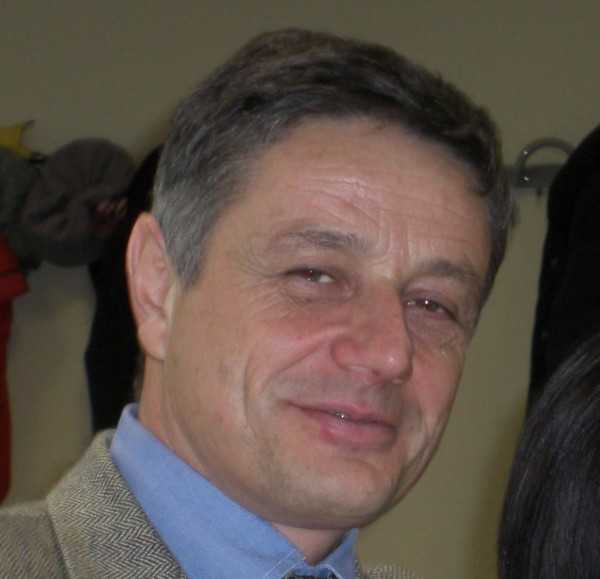
Chief Operating Officer at Accelera Srl, a contract preclinical research organization (CRO) within the Nerviano Medical Sciences Group.
Graduated in Veterinary Medicine from the University of Milan in 1983 and obtained a specialization in Laboratory Animal Science and Medicine from the same institution in 1999.
He has over 30 years of experience in the design and management of regulatory preclinical programs for the safety assessment of drug candidates across several national and multinational private organizations, including Zambeletti-Beecham, Bracco, Farmitalia Carlo Erba, Pharmacia, and Pfizer. Throughout his career, he has led multidisciplinary teams of approximately 80 professionals, overseeing GLP/GCP compliance as well as animal welfare programs related to the scientific and experimental use of laboratory animals.
A EUROTOX Registered Toxicologist (ERT), he is a member of the Society of Toxicology (SOT, USA) and of the RENTIC Commission for the accreditation of Italian toxicologists. He is the founder and former President of the European Society of Laboratory Animal Veterinarians (ESLAV), Professor of Preclinical Toxicology at the University of Milan, and lecturer in postgraduate Master's programs at the University of Naples Federico II and the Campus Bio-Medico University of Rome.
He serves as a member of the Preclinical Research Working Group within the Scientific and Technical Affairs Area of Farmindustria and represents Italian companies in the Animal Research and Welfare Working Group of the European Federation of Pharmaceutical Industries and Associations (EFPIA).
He is actively involved in the revision of European and Italian legislation concerning laboratory animal welfare and the implementation of alternative methods through initiatives such as the PARERE Commission, EU-NETVAL, and the Italian Platform for Alternative Methods. He has authored more than 30 scientific publications, conference presentations, and book chapters.


Graduated in Pharmacy (2010), she obtained her PhD in Pharmacological Sciences from the University of Milan in 2015. She was a postdoctoral fellow at the same university from 2015 to 2020, and a Researcher from 2020 until September 2024. She is currently an Associate Professor at the Department of Pharmacological and Biomolecular Sciences at the University of Milan. She teaches courses in the field of Toxicology (Pharmaceutical Chemistry and Technology) and Systemic Toxicity and Risk Assessment (safety assessment of xenobiotics and biotechnological products) at the University of Milan. Her research activity is focused on immunotoxicology and alternative methods, with particular attention to allergic contact dermatitis and respiratory sensitization. She served on the ITCASS Committee (Immunotoxicology and Chemical Allergy Specialty Section – EUROTOX) as Councilor (2018–2019) and subsequently as Chair (2019–2022). She also served on the ITSS Committee (Immunotoxicology Specialty Section – SOT) as Postdoctoral Representative (2021–2022) and as Councilor in the DTSS (Dermal Toxicology Specialty Section – SOT) from 2022 to 2023.
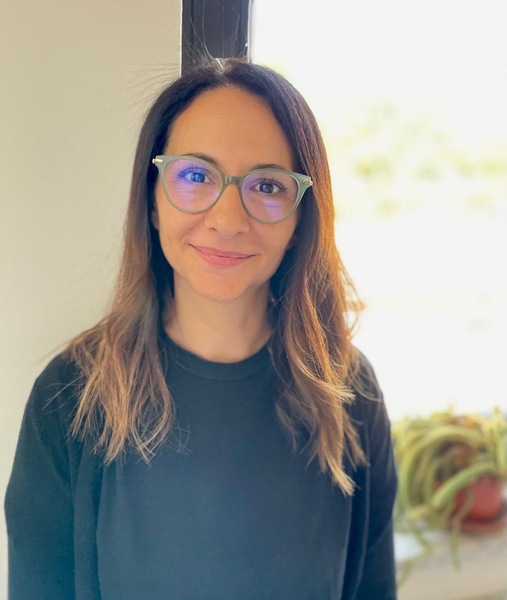
Associate Professor of Pharmacology at Alma Mater Studiorum – University of Bologna. She graduated in Pharmaceutical Chemistry and Technology and obtained a PhD in Pharmacology and Toxicology. She carried out international research activities as a Visiting Scientist at the Department of Neurobiology and Behavior, University of California, Irvine (USA).
Her research focuses on the cellular and molecular mechanisms underlying the response to toxic agents and stress conditions, with particular emphasis on neurodegeneration and neuronal injury. Her work is aimed at identifying and characterizing novel neuroprotective compounds and investigating their mechanisms of action using both in vitro and in vivo experimental models.
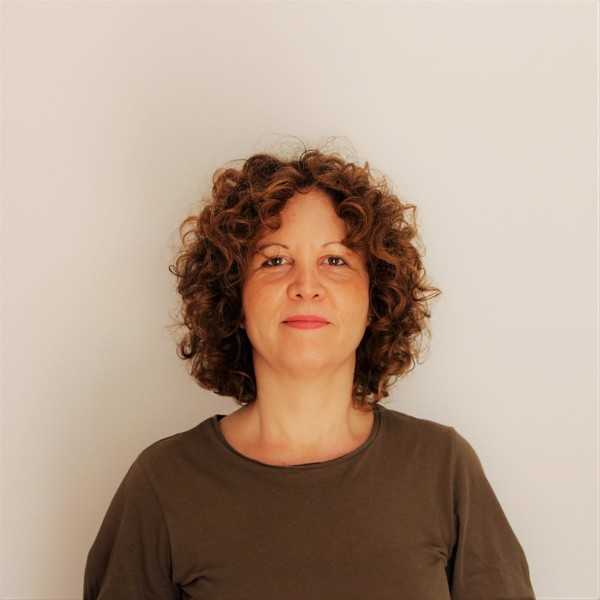
She's graduated at the University of Milan in Medicine and Surgery, with a specialization in Toxicology and Hepatology. She deals with clinical toxicology, particularly in the emergency setting. She works at the Pavia Poison Control Center where she provides specialized counseling, patient care and research. She has organized and managed numerous courses and conferences for emergency health care providers. She collaborates with National Institutions in working groups and projects.
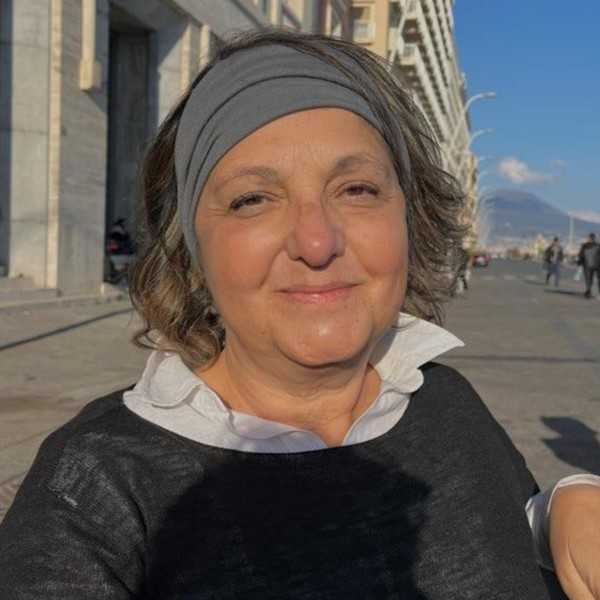
Associate Professor of Forensic Medicine at the Catholic University of the Sacred Heart, Head of the Forensic Toxicology Laboratory. She holds a degree in Pharmacy from Sapienza University of Rome and a PhD in Forensic Medical Sciences. She has led numerous research projects and authored over 100 publications. She is President of the Italian Association of Forensic Toxicologists. Scientific advisor to WADA on updating the list of prohibited substances and to the International Tennis Integrity Agency.
TOXICOLOGIST CERTIFICATION | ERT
RENTIC - National Register of Italian Certified Toxicologists
Inclusion in the National Register of Italian Certified Toxicologists (RENTIC) aims to recognize high standards of knowledge, skills, experience, and professional standing of scientists engaged in the field of Toxicology.
A European Registered Toxicologist (ERT) is a toxicologist who meets specific requirements in education as well as professional skills and has experience in toxicology and applied toxicology.
RENTIC members are "Certified Toxicologists" and they are automatically inserted in the European Register, set up at EUROTOX, and they could use the abbreviation "ERT" - European Registered Toxicologist. The registration is valid for a five-year period after which, to reimain enrolled, it is necessary to provide a request of re-registration.
What are the RENTIC objectives?
- to recognize expert scientists actively engaged in the multidisciplinary field of Toxicology;
- to guarantee that Certified Toxicologists maintain high standards of professional expertise;
- to ensure that the classification "Certified Toxicologists" should be restricted to those who have satisfied the Commision for their competence and professional experience.
For more information, please download the Guidelines or contact RENTIC Organizing Secretariat: adele.tangolo@sitox.org
To consult the EUROTOX Guidelines for registration: http://www.eurotox.com/ert/
Here below and at the page "Certificazione del Tossicologo" you cand find the application form for registration and re-registration.

contacts_en_1
SITOX Organizing Secretariat
Ida Ceserani - Ida.Ceserani@sitox.org
M. Elena Scamoni - Elena.Scamoni@sitox.org
Muriel Bertomoro - Muriel.Bertomoro@sitox.org
Italian Society of Toxicology
Via Giovanni Pascoli, 3
20129 MILANO
t: 02 29520311
P.IVA: 06792491000
C.F.: 96330980580
Organizzato da SITLAB – Società Scientifica Italiana dei Tecnici di Laboratorio Biomedico
Corso patrocinato.
Segreteria organizzativa:
U.O. Formazione; Azienda
Ospedaliero-Un...
Corso patrocinato.
Per partecipare è necessario effettuare l’iscrizione on-line su:
...